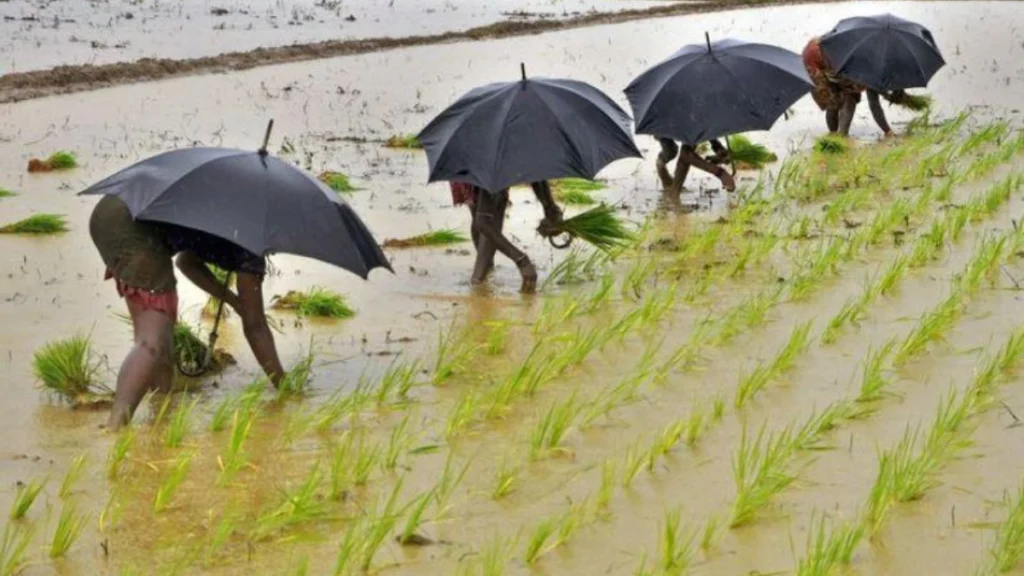
The Southwest Monsoon is the lifeline of Bengal agriculture, but it is also the biggest risk factor. Every year, flooding in Murshidabad, Malda, North Bengal, and the delta districts causes crop losses worth hundreds of crores. The difference between a profitable year and a devastating one often comes down to preparation.
Here is what the 2026 monsoon outlook suggests and how to protect your crops and land.
Monsoon 2026 outlook: What the models say
As of early 2026, the ENSO (El Nino Southern Oscillation) cycle is transitioning from a weak El Nino to neutral conditions, with a possibility of La Nina developing by late monsoon. Historically, La Nina years tend to bring above-normal rainfall to Eastern India, particularly the Gangetic plains and sub-Himalayan terai region.
The Indian Ocean Dipole (IOD) is showing signs of turning positive, which typically supports stronger monsoon circulation over the Bay of Bengal. For Bengal farmers, this means: expect a normal to above-normal monsoon with higher flood risk in July-August, particularly in Malda, Murshidabad (Bagri zone), and North Bengal districts.
Pre-monsoon preparation checklist
For timber plantations: Clear drainage channels around your plantation by mid-May. Young saplings (under 2 years) are vulnerable to waterlogging. Create raised beds or mounds for saplings in low-lying areas. Prune lower branches to reduce wind load.
For rice cultivation: Complete seedbed preparation by early June. Keep short-duration varieties (MTU-7029, Swarna Sub-1) ready as a contingency if monsoon delays transplanting. Swarna Sub-1 can survive 14 days of submergence.
For homesteads and farm structures: Check the roof, reinforce bamboo structures, clear gutters and drainage. Stock emergency supplies: torch, first aid kit, important documents in waterproof bags. Ensure your phone is charged and you have the local NDRF/SDRF helpline number.
Flood-prone zones in Bengal: Know your risk
Not all areas face equal risk. The most vulnerable farming zones in our 10 districts are:
High risk: Murshidabad Bagri zone (Lalgola, Bhagwangola, Raninagar blocks) due to Padma/Ganga flooding; Malda Diara zone (Manikchak, English Bazar); South 24 Parganas Sundarbans blocks (Gosaba, Kakdwip) due to tidal surges.
Moderate risk: Jalpaiguri Terai (flash floods from Teesta and Torsha); North 24 Parganas (waterlogging in Basirhat); Nadia (Jalangi river flooding near Tehatta).
Lower risk: Bankura, Birbhum, Hooghly Rarh zone. These face drought risk more than flood risk, though heavy rainfall events can cause localised waterlogging.
Crop insurance: Do not skip it
The Pradhan Mantri Fasal Bima Yojana (PMFBY) provides crop insurance at subsidised premiums. For Kharif season, the farmer premium is just 2% of the sum insured. Enrolment typically opens in June through your bank or CSC centre. Given the above-normal rainfall forecast, enrolling in PMFBY for 2026 Kharif is strongly recommended.
For timber plantations, standard PMFBY does not cover tree crops. However, some state schemes and private insurers offer plantation insurance. Check with the ADO office in your district for available options.
Emergency contacts to save
Keep these numbers accessible during monsoon season: NDRF helpline 011-24363260 (toll-free 1078); State Disaster Management (SDMA) West Bengal 1070; District Control Room for Murshidabad 03482-251500; IMD Kolkata weather updates 033-24616141.
farmingbengal.in will publish monsoon updates and district-wise rainfall alerts throughout the season. Subscribe to our newsletter for weekly farming and weather tips delivered to your inbox.