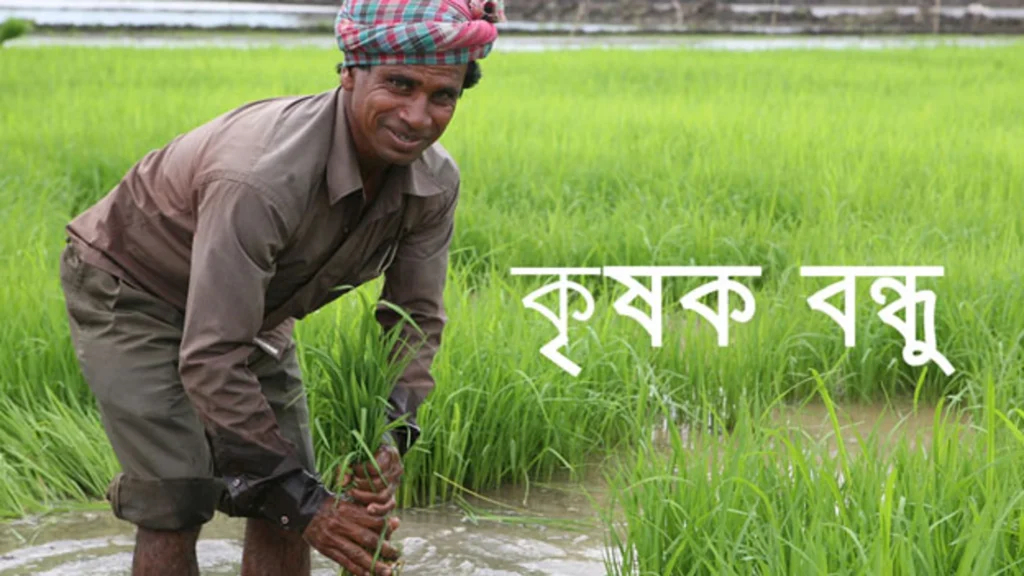
The central and state governments offer several schemes specifically designed to support farmers with cash transfers, subsidised insurance, loans, training, and inputs. Yet many Bengal farmers miss out simply because they do not know about these schemes or find the application process confusing.
Here are the five most valuable schemes available in 2026, with clear eligibility criteria and application steps.
1. PM-KISAN: Rs 6,000 per year direct to your bank
The Pradhan Mantri Kisan Samman Nidhi provides Rs 6,000 per year to all landholding farmer families, paid in three instalments of Rs 2,000 each (April, August, December). There is no land size limit; even farmers with less than 1 acre are eligible.
Eligibility: Any farmer family with cultivable land. Both husband and wife cannot claim separately. Government employees and income tax payers are excluded.
How to apply: Visit your nearest CSC (Common Service Centre) or register online at pmkisan.gov.in. You need: Aadhaar card, bank account (linked to Aadhaar), land documents (RoR/Porcha), and mobile number.
Tip: If you are already registered but not receiving payments, check your Aadhaar-bank linking status. Failed Aadhaar authentication is the most common reason for payment rejection in Bengal.
2. Sub-Mission on Agroforestry (SMAF): 50% subsidy on saplings
This is the most relevant scheme for timber plantation investors. The Sub-Mission on Agroforestry provides up to 50% subsidy on the cost of planting material (saplings) and up to Rs 25,000 per hectare for plantation establishment on farmland.
Eligibility: Any farmer growing trees on agricultural land alongside crops (agroforestry). The scheme covers Mahogany, Teak, Melia Dubia, and other approved timber species.
How to apply: Apply through the District Forest Officer (DFO) or the Agriculture Department (ADO) office. You need: land documents, Aadhaar, bank details, and a simple plantation plan.
Tip: SMAF can reduce your sapling costs by 50%, which for a 5-acre Mahogany plantation means saving Rs 30,000-40,000 upfront. Contact your local KVK for help with the application form.
3. PMFBY: Crop insurance at 2% premium
The Pradhan Mantri Fasal Bima Yojana provides comprehensive crop insurance for Kharif and Rabi seasons. The farmer pays only 2% premium for Kharif crops and 1.5% for Rabi crops; the rest is subsidised by the government.
Eligibility: All farmers growing notified crops in notified areas. Both loanee and non-loanee farmers can enrol.
How to apply: Through your bank (if you have a KCC loan, enrolment is automatic unless you opt out) or any CSC centre. Deadline: usually end of July for Kharif season.
Tip: Given the above-normal monsoon forecast for 2026, PMFBY enrolment is especially important this year. Even a 2% premium on a Rs 50,000 sum insured (Rs 1,000) is worth it for flood-prone areas in Murshidabad and Malda.
4. Kisan Credit Card (KCC): Low-interest farm loans
The KCC provides short-term credit at just 4% interest (after government subsidy) for crop production, maintenance of farm assets, and allied activities. The credit limit is based on your land size and cropping pattern.
Eligibility: Any farmer with cultivable land, including tenant farmers and sharecroppers (Bargadars) with proper documentation.
How to apply: Visit any bank branch (SBI, UBGB, Allahabad Bank are most active in Bengal rural areas). You need: land documents, Aadhaar, passport photo, and crop plan.
Tip: KCC now covers animal husbandry and fisheries too. If you have livestock alongside your farm, you can get a higher credit limit. Always repay within the crop cycle to maintain the 4% interest rate; beyond that, it jumps to 7%.
5. Soil Health Card: Free soil testing
The Soil Health Card scheme provides free soil testing and a detailed report on your soil nutrients (N, P, K, pH, organic carbon, micro-nutrients) with crop-specific fertiliser recommendations. This is especially valuable for timber plantation planning, as species like Mahogany and Sandalwood have specific soil requirements.
Eligibility: Any farmer. No documentation needed beyond basic land details.
How to apply: Contact your local KVK or Soil Testing Laboratory. In Bengal, every KVK has a soil testing facility. The service is free under the scheme. You collect a soil sample and submit it; results come in 2-4 weeks.
Tip: Get your soil tested before deciding which timber species to plant. Acidic soil (pH below 5.5) is common in Bankura and Birbhum and needs lime treatment before planting Teak. Your KVK will provide specific recommendations.
How to stay updated on schemes
Government schemes change frequently and new ones are announced regularly. FarmingBengal.in covers all relevant scheme updates for Bengal farmers in our Government Schemes section. Subscribe to our newsletter for weekly updates, or visit your nearest KVK which serves as a knowledge resource centre for all agricultural schemes in your district.