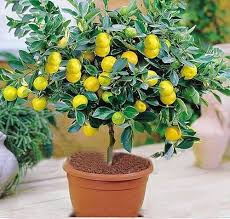
Lime farming is one of the most reliable cash-crop options for small and medium farmers in India, thanks to steady year-round demand, low input cost once established, and a relatively short 2-3 year gestation period before first harvest. This guide covers everything from soil and climate requirements to spacing, irrigation, pest management, and realistic profit expectations — so you can decide if lime cultivation is right for your land.
Why Lime Farming Is Worth Considering
India is among the world’s top producers of lime and lemon, and the Kagzi lime (Citrus aurantifolia), also called acid lime, is by far the most widely grown variety — used in everything from pickles and chutneys to juices, RTS drinks, and squash. Compared to many fruit crops, lime trees need relatively low maintenance once established and start bearing fruit from the third year onward, making it an attractive medium-term investment for landowners.
Climate and Soil Requirements
Lime trees thrive in tropical and subtropical climates and tolerate both hot and moderately cold conditions well. However, heavy and prolonged rainfall increases the risk of pest and disease infestation, so well-drained land is essential — flood-prone or waterlogged plots are unsuitable without proper drainage work.
- Soil type: Light, well-drained loamy soil is ideal
- Soil pH: 5.5 to 7.5 (slightly acidic to mildly alkaline is tolerated)
- Rainfall: Moderate; excess rainfall raises disease pressure
- Major growing states in India: Gujarat, Maharashtra, Karnataka, Andhra Pradesh, Telangana, Tamil Nadu, Rajasthan, and Madhya Pradesh, with pockets of cultivation across other states including West Bengal
Land Preparation and Planting
- Pit size: Dig pits roughly 1m × 1m × 1m (depth × width × length)
- Pit filling: Fill with 15-20 kg of farmyard manure (FYM) mixed with about 500g of single super phosphate (SSP), and let the mix settle for at least 2 weeks before planting — this reduces pest and pathogen load in the pit
- Planting level: Keep the soil slightly raised above ground level around the sapling to prevent waterlogging at the root zone
- Propagation: Avoid raising lime from seed, as germination results are unreliable — use grafted or air-layered saplings from a trusted nursery instead
- Sowing season: Spring (February–March) or the monsoon window (mid-August to end of October) are the preferred planting periods in most regions
Spacing and Plant Density
A spacing of 6m × 6m between plants and rows is generally recommended for standard orchard planting, though plant density can vary by region and rootstock — some guidance for Punjab-style plantations recommends a minimum density of around 208 plants per acre. High-density planting is also practiced on terraced or sloped land in hilly regions.
Irrigation
Flood irrigation is not recommended for lime orchards — it damages root health and increases disease risk. Drip irrigation is the preferred method, as it:
- Delivers water precisely to the root zone
- Reduces water wastage significantly compared to flood irrigation
- Allows easier fertigation (feeding nutrients through the irrigation system)
Recommended tool: A drip irrigation kit is one of the best early investments for a lime orchard, especially on land without assured monsoon rainfall. 👉 Check drip irrigation kits on Amazon
Intercropping in the Early Years
Since lime trees take 2-3 years to start bearing fruit, intercropping with cowpeas, vegetables, or French beans during this gestation period helps generate early income from the same land and improves soil health through crop rotation.
Nutrition and Fertilizer Schedule
Beyond the initial FYM and SSP dose at planting, mature lime trees benefit from balanced NPK fertilization, along with periodic micronutrient sprays (zinc and boron deficiencies are common in citrus). Soil testing before applying fertilizer is strongly recommended rather than following a blanket schedule, since requirements vary by soil type and tree age.
Recommended tool: A basic NPK fertilizer suited for citrus/fruit trees. 👉 Browse citrus/fruit tree NPK fertilizers on Amazon
Pruning and Tree Maintenance
Removing shoots within 50-60 cm of ground level helps develop a strong, clean trunk, and maintaining an open center improves sunlight penetration and air circulation — both of which reduce fungal disease pressure.
Recommended tool: A good pair of pruning shears makes this task far easier and reduces damage to the bark. 👉 Check pruning shears on Amazon
Since propagation is best done via grafting or air-layering rather than seed, a grafting knife/tool kit is a worthwhile investment if you plan to propagate your own saplings or expand your orchard over time. 👉 Check grafting tool kits on Amazon
Common Pests and Diseases
Citrus canker and general fungal infections are the most common issues in lime orchards, particularly in high-rainfall zones. Regular monitoring, proper drainage, and timely fungicide/pesticide application (as advised by local agricultural extension services) help keep losses manageable.
Recommended tool: A manual or battery-operated garden sprayer for targeted pest/disease treatment. 👉 Check garden sprayers on Amazon
Harvesting and Yield
- First harvest: Typically from the 3rd year after planting (for grafted/layered plants)
- Harvest timing: Fruits are picked when mature but still green — lime and lemon are not left to fully ripen on the tree like oranges
- Peak harvest season: Broadly March to June in most growing regions, though this varies locally
- Yield range: Reported yields vary widely by variety, spacing, and management — figures from different sources range from roughly 25 kg per tree annually (for some named varieties) up to 150-500 quintals per hectare at scale, depending on density and orchard maturity. Treat any yield figure as an estimate specific to variety and region rather than a universal number, and verify with local horticulture department data before financial planning.
Profitability: What to Expect
Profit margins from lime/lemon orchards depend heavily on soil quality, climate, water availability, and pest management — one commonly cited estimate puts profit at roughly ₹75,000 per acre per year for lemon orchards, though this is an approximate figure and will vary significantly by region, market access, and orchard age. Some commercial nurseries also offer contract/buy-back farming arrangements for Kagzi lime, where the company supplies saplings and technical support in exchange for an agreement to sell the harvest back to them — if you’re considering such an arrangement, read the buy-back contract terms carefully and verify the company’s track record before committing.
Use our free tools to plan your investment: For a district-wise breakdown of land costs and returns before you invest, use the Land Cost Estimator and Timber ROI Calculator on FarmingBengal.in/free-tools/ to compare lime cultivation against other land-use options in West Bengal.
Frequently Asked Questions
Is lime the same as lemon in India? In common Indian usage, “lemon” often refers to what is botanically the Kagzi lime (acid lime) — smaller, thin-skinned, and more tart than the true lemon (Citrus limon) more commonly grown in Western countries.
How long does it take for a lime tree to bear fruit? Grafted or air-layered plants typically begin fruiting from the third year after planting. Seed-grown trees take longer and are less reliable in yield and quality.
Can lime be grown alongside other crops? Yes — intercropping with vegetables or legumes like cowpeas is common during the first 2-3 years before the canopy closes, providing early income from the same plot.
Final Thoughts
Lime farming offers a genuinely attractive combination of moderate investment, manageable maintenance, and steady market demand — but success depends on getting the basics right: well-drained land, quality grafted saplings, proper spacing, drip irrigation, and disease monitoring from year one. Run the numbers for your specific district before committing significant capital, and consider starting with a smaller trial plot if you’re new to citrus cultivation.
References
- Amra Farms — Kagzi Lime / Acid Lime Farming Guide: https://amrafarms.com/kagzi-lime-acid-lime-farming.html
- Apni Kheti — Lime Farming Guide for Punjab: https://www.apnikheti.com/en/pn/agriculture/horticulture/citrus/lime-nimboo
- SSP Group — Kagzi Lemon Contract Farming in India: https://www.sspgroup.co.in/kagzi-lemon.html
- Amritanjali Ayurved — Kagzi Lime Cultivation: https://amritanjaliayurved.in/product-kagzi-lime.php
- RIPA — Akola Kagzi Lime Fact Sheet (PDF): https://www.ripaonline.com/wp-content/uploads/2026/02/Akola-Kagzi-Lime.pdf
- Agrifarming.in — Lemon Cultivation Secrets: https://www.agrifarming.in/lime-farming
- Maatitatva Agro Industries — Kagzi Lemon Plant Cultivation (PDF): https://maatitatva-agro.adjointindia.com/horticulture-plant/kagji-lemon-cultivation.pdf